Root Canal Treats The Entire Inside
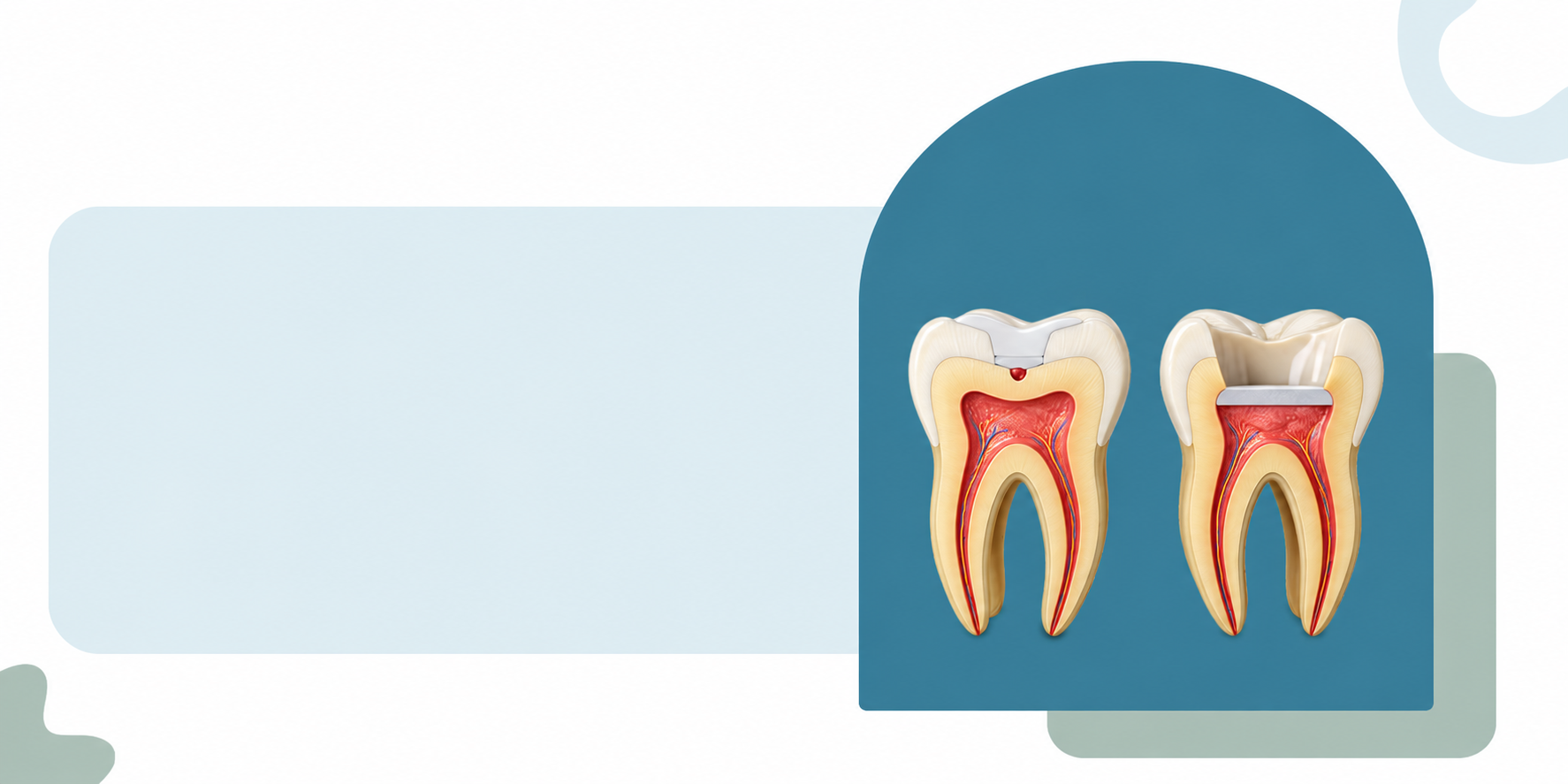
A baby root canal cleans the upper chamber and the narrow spaces inside the roots. It may be recommended when infection has traveled farther.
| Comparison |
Pulpotomy |
Root Canal |
| Area treated |
Upper tooth |
Upper tooth and roots |
| Common use |
Limited damage |
Deeper infection |
| Main goal |
Keep healthy root tissue |
Clean infection throughout |
| Protection |
Often a crown |
Usually a crown |
Child Tooth Pain: Why Treat It?
A filling may not work once bacteria reach the sensitive center of the tooth. Simply covering the cavity could leave the source of pain underneath.
Signs include pain while chewing, nighttime pain, lingering sensitivity, swelling, a dark tooth after injury, or a small gum bump. Some children show few symptoms, so pediatric digital X-rays may be needed.
For example, a baby molar with healthy roots may need a pulpotomy. Changes around the roots may mean infected baby tooth treatment requires deeper cleaning or removal.
Tooth Treatment Choice: How Is It Made?
No option is automatically best. The dentist combines the examination, symptoms, and X-ray findings before recommending care.
Baby Or Permanent Tooth?
Baby teeth support chewing, speech, and space for adult teeth. The dentist considers how long the tooth should remain. A tooth expected to fall out soon may be managed differently from a back molar needed for years.
Damage Depth And Root Health?
The dentist checks for swelling, a gum bump, looseness, ongoing pain, and changes near the roots. Dr. Reesha explains whether the problem appears limited to the upper tooth or has traveled deeper.
Tooth Strong Enough To Save?
Enough healthy teeth must remain to hold a filling or crown. This evaluation may be called pediatric pulp therapy, but it simply means choosing how to treat the damaged center of a child’s tooth.
The American Academy of Pediatric Dentistry’s treatment guidance confirms that tissue health helps determine the right approach.
Baby Root Canal Safety: Is It Safe?
Baby root canal safety depends on accurate diagnosis, careful treatment, and follow-up. The tooth is numbed before treatment.
Sedation is not required for every child. Dr. Reesha helps parents understand whether numbing alone may be enough or whether pediatric sedation dentistry may help based on age, anxiety, health history, and treatment length.
No treatment guarantees that a tooth will never develop another problem. Follow-up visits allow early action if pain or infection returns.
Child Dental Visit: What Happens?
Knowing the steps can reduce uncertainty.
Treatment Steps During The Visit
The dentist numbs the area, opens and cleans the damaged part, places protective material inside, and seals the tooth. A pediatric dental crown often covers a treated back tooth because the remaining structure may be too weak for chewing.
Recovery Steps After Treatment
Temporary numbness and mild soreness are possible. Offer soft foods, avoid very hot meals, and stop your child from chewing until feeling returns.
Follow the dentist’s brushing and pain-relief instructions. Call if discomfort worsens rather than improves.
Baby Tooth Extraction: Why Not Pull It?
Removing a baby tooth may sound simpler, but early tooth loss can affect chewing and allow neighboring teeth to move into the open space.
Saving it may be preferred when it can be rebuilt and is needed for several more years. Removal may be better when little healthy tooth remains, infection is extensive, or the adult tooth is close to coming in.
When removal is necessary, pediatric tooth extraction may be followed by a space maintainer to preserve room for the adult tooth.
Dental Infection Signs: When Is It Urgent?
Contact a pediatric dentist promptly for increasing pain, facial swelling, fever, a pus-filled gum bump, or a child who seems unwell.
Seek emergency medical help for trouble breathing or swallowing, swelling near the eye, or rapidly spreading swelling.
Fresh Pediatric Dentistry provides pediatric emergency dental care when a toothache, infection, or injury needs timely evaluation.
Healthy Child Smile: What Should Parents Do?
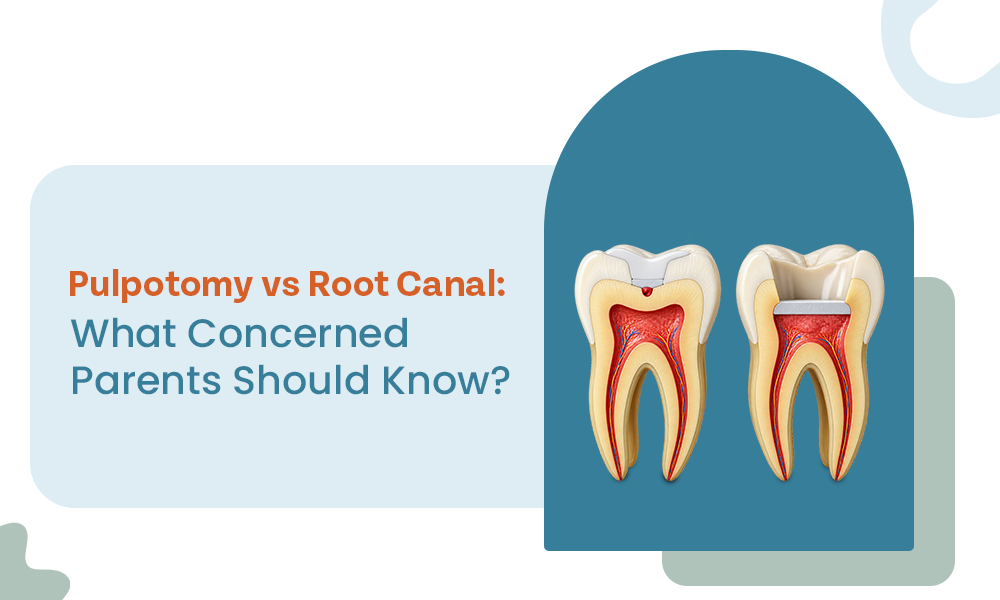
In the pulpotomy vs root canal decision, the right treatment is the one that matches your child’s tooth. A pulpotomy treats limited damage in the upper tooth, while a root canal cleans the upper area and roots.
Do not delay an examination when pain, swelling, or a gum bump appears. A pediatric dentist root canal evaluation can show whether the tooth should receive limited treatment, deeper cleaning, or removal.
Dr. Reesha guides parents using the child’s symptoms, X-rays, tooth strength, and dental development, helping families understand both the immediate treatment and the long-term effect on the child’s smile.
Why Choose Fresh Pediatric Dentistry?
Fresh Pediatric Dentistry gives families clear explanations before treatment, helping parents understand why a tooth should be saved, restored, or removed. Each visit is adapted to the child’s comfort and treatment needs, while the team provides gentle care, practical aftercare guidance, and thoughtful follow-up for healthier, more confident, lasting smiles.