Which Dental Sedation Fits?
The child’s fear, cooperation, treatment length, and health guide the choice.
Laughing Gas: Light And Quick
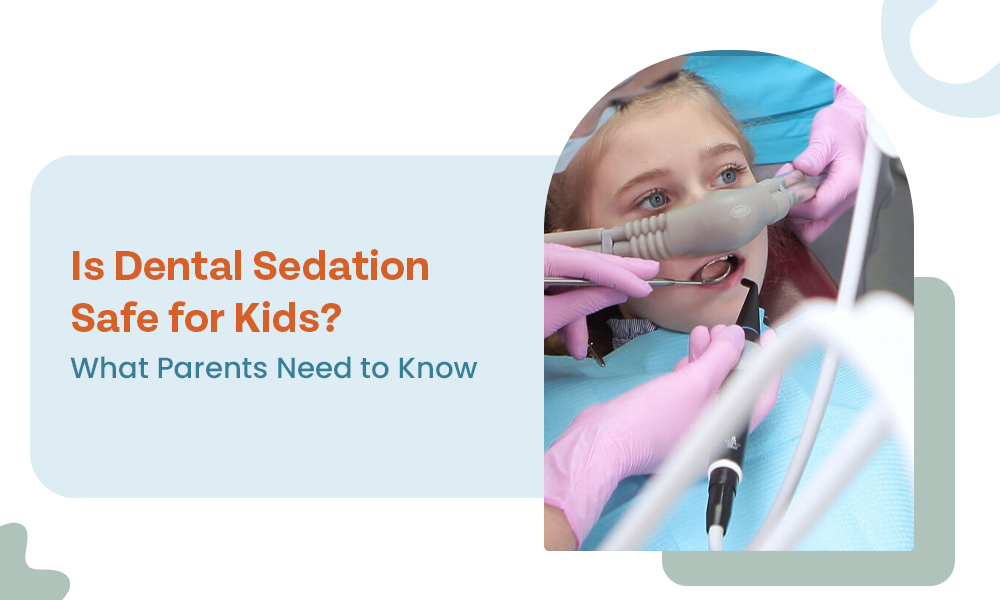
Laughing gas for children is breathed through a small nose mask. The child stays awake, can answer questions, and usually feels calmer.
It normally wears off soon after the mask is removed. Dental laughing gas for children may suit mild anxiety, a strong gag reflex, or a short filling. It does not replace numbing medicine when a tooth needs pain control.
Conscious Sedation: Awake But Sleepy
Oral conscious sedation uses medicine taken by mouth. The child stays awake and can usually respond but may feel sleepy and less worried.
A pediatric dentist offering conscious sedation may consider it when laughing gas is not enough or treatment will take longer. Recovery is slower, so an adult must supervise the child afterward.
Pediatric IV Sedation: Deeper Calm
Pediatric IV sedation gives calming medicine through a small tube placed in a vein. Its effect can be adjusted during treatment.
It may help with severe fear, complex care, a strong gag reflex, or difficulty staying still. Close observation is needed during treatment and recovery.
General Anesthesia: Fully Asleep
General anesthesia for children means the child is fully asleep. It may be considered for extensive treatment, severe fear, very young children, or children unable to complete care safely while awake.
When Can Sedation Help?
Sedation may help children with intense dental fear, sensory sensitivity, trouble sitting still, a strong gag reflex, or a past upsetting visit. It can also support longer or multiple procedures.
Children receiving special needs dental care may benefit from extra preparation, familiar routines, shorter appointments, or sedation. It should not be automatic. Explanation, distraction, practice visits, or treatment divided into stages may work for some children.
How Is Safety Checked?
Safe dental sedation for kids begins before any medicine is given.
Before The Appointment
The team reviews the child’s health, allergies, medicines, previous reactions, breathing concerns, and recent illness. Parents receive exact eating and drinking instructions. These rules differ by sedation type, so follow the dental office’s directions rather than general online advice.
During Dental Treatment
The team watches the child’s breathing, responses, and comfort. Depending on the sedation level, equipment may also track oxygen, heart rate, and blood pressure.
Dr. Reesha explains who will provide the sedation, who will monitor the child, and what support is available if help is needed.
Before Going Home
The child stays under observation until recovery is progressing as expected. Parents receive instructions about food, activity, supervision, medicine, and warning signs. The American Dental Association recommends asking about the provider, monitoring, risks, alternatives, and recovery before agreeing to sedation.
What Should Parents Share?
Tell the dental team about a cough, cold, fever, blocked nose, wheezing, heavy snoring, or breathing pauses during sleep. Also share allergies, daily medicines, supplements, previous sedation problems, and anything recently eaten or drunk.
Call if the child becomes sick before the appointment. Do not hide symptoms because you fear a delay. Postponing treatment can sometimes be the safer choice.
What Happens After Sedation?
Recovery depends on the option. Laughing gas usually clears quickly, while oral medicine, pediatric IV sedation, and full sleep care can cause longer sleepiness.
A child may briefly feel dizzy, irritable, nauseated, tired, or unsteady. Keep the child supervised and avoid school, sports, stairs, biking, or climbing until the dental team allows normal activity.
Seek urgent help for trouble breathing, blue or gray lips, repeated vomiting, unusual difficulty waking, or worsening symptoms.
What Should Parents Ask?
Ask why sedation is recommended, whether a lighter choice could work, and what may happen if treatment is delayed. Confirm whether your child will be awake, who will give the medicine, how the child will be watched, and how long recovery may take.
Also ask about alternatives. A shorter visit, practice appointment, or staged treatment may work for some children. Dr. Reesha guides parents through these choices so the plan reflects the child’s comfort, safety, and dental needs.
Make A Confident Sedation Choice
Is dental sedation safe for kids? It can be when the plan is matched to the child and supported by proper preparation, trained supervision, close monitoring, and clear recovery instructions.
Ask why sedation is needed, compare the options, disclose every health detail, and understand what happens before, during, and after treatment. An informed parent is an important part of a safer dental visit.
Why Choose Fresh Pediatric Dentistry?
Fresh Pediatric Dentistry provides child-focused sedation planning based on each patient’s comfort, health history, and treatment needs. The team explains available options, preparation, monitoring, and recovery in plain language. Parents can ask questions before deciding, while children receive supportive care designed to make necessary dental treatment feel more manageable overall.

.png)

.svg)

